Brainis Method™
Four Decades of Clinical Experience
in Integrative Osteopathy
Developed by Prof. Jakov Brainis, M.CIO, BSc(Med), DOMP, R.TCMP
President, Ontario Federation of Osteopathic Professionals (OFOP)
Program Director, Toronto
Academy of Osteopathy (TAO)
INTRODUCTION
Every healthcare professional follows a unique journey. Mine has been shaped by personal challenges, international experience, continuous education, teaching, and the privilege of treating patients throughout many years of clinical practice.
Throughout this journey, one principle has remained constant:
THE INDIVIDUAL MUST BE TREATED AS A WHOLE - NOT SIMPLY AS A DIAGNOSIS OR AN ISOLATED SYMPTOM.
This philosophy became the foundation of what I now call the Brainis Method™.
The Brainis Method™ considers the relationships among structure, function, the nervous system, circulation, fascia, movement, rehabilitation, and the individual's capacity for adaptation and recovery.
WHAT IS THE BRAINIS METHOD™?
The Brainis Method™ is an individualized integrative clinical approach developed through decades of practical experience, continuing education, international collaboration, and clinical observation.
Its objective is to identify and address dysfunction contributing to a patient's clinical presentation rather than concentrating exclusively on the location of pain or symptoms.
Every patient is different. Two individuals with apparently similar conditions may respond differently and may therefore require different therapeutic strategies.
THE TECHNIQUE FOLLOWS THE PATIENT. THE PATIENT DOES NOT FOLLOW THE TECHNIQUE.
GUIDING PRINCIPLES
- The body functions as an integrated biological system.
- Structure and function continually influence one another.
- Treatment should be individualized.
- Clinical observation and reassessment are essential.
- The least force necessary should be used.
- Functional change is an important measure of clinical progress.
CARE BEGINS WITH RESPECT AND DIGNITY.
THE FIVE PHASES OF THE BRAINIS METHOD™
PHASE 1 - STABILIZE
The initial objective is to establish comfort and determine the patient's clinical status. Pain, movement, tissue tension, restrictions and functional limitations are assessed before progressing to more active intervention.
PHASE 2 - CLEAR
Appropriate manual techniques may be directed toward muscular tension, fascial restriction and impaired mobility. The objective is to reduce restrictions that may interfere with comfortable movement and function.
PHASE 3 - ACTIVATE
Treatment progresses toward appropriate activation. Depending upon the individual case, this may incorporate manual therapy, movement, rehabilitation techniques and selected complementary modalities.
PHASE 4 - INTEGRATE
Changes achieved during treatment must be incorporated into functional movement. The objective is not simply to change an individual structure but to help the patient integrate improvement into normal activity.
PHASE 5 - STRENGTHEN
The final phase focuses on maintaining and strengthening functional improvement. Exercise, movement, rehabilitation and patient education may be incorporated according to individual needs and abilities.
CLINICAL INTEGRATION
Over many years of clinical practice, selected approaches have been incorporated when considered appropriate for the individual patient, including:
- Osteopathic manual therapy
- Myofascial techniques
- Joint mobilization
- Soft-tissue techniques
- Neurodynamic approaches
- Cupping therapy
- Principles derived from Traditional Chinese Medicine
- Acupuncture within appropriate professional scope
- Low-level laser/photobiomodulation
- Functional rehabilitation
- Patient education and self-management
No single modality defines the Brainis Method™.
THE METHOD IS THE CLINICAL REASONING USED TO DETERMINE WHAT THE INDIVIDUAL NEEDS, HOW THEY RESPOND, AND WHAT SHOULD HAPPEN NEXT.
CLINICAL CASE 1 - DR. SHAWN CENTERS: STROKE RECOVERY
Dr. Shawn Centers experienced a stroke on August 6, 2022. Prof. Brainis travelled to Arizona the following day and provided an intensive six-day period of individualized supportive treatment.
During this period, progressive functional changes were observed.
OBSERVED FUNCTIONAL PROGRESSION
- Day 6 - Walking ability had returned.
- Day 14 - Coordinated gait was observed.
- Week 7 - Dr. Centers had returned to professional teaching.
PHOTOGRAPHIC DOCUMENTATION
|
|
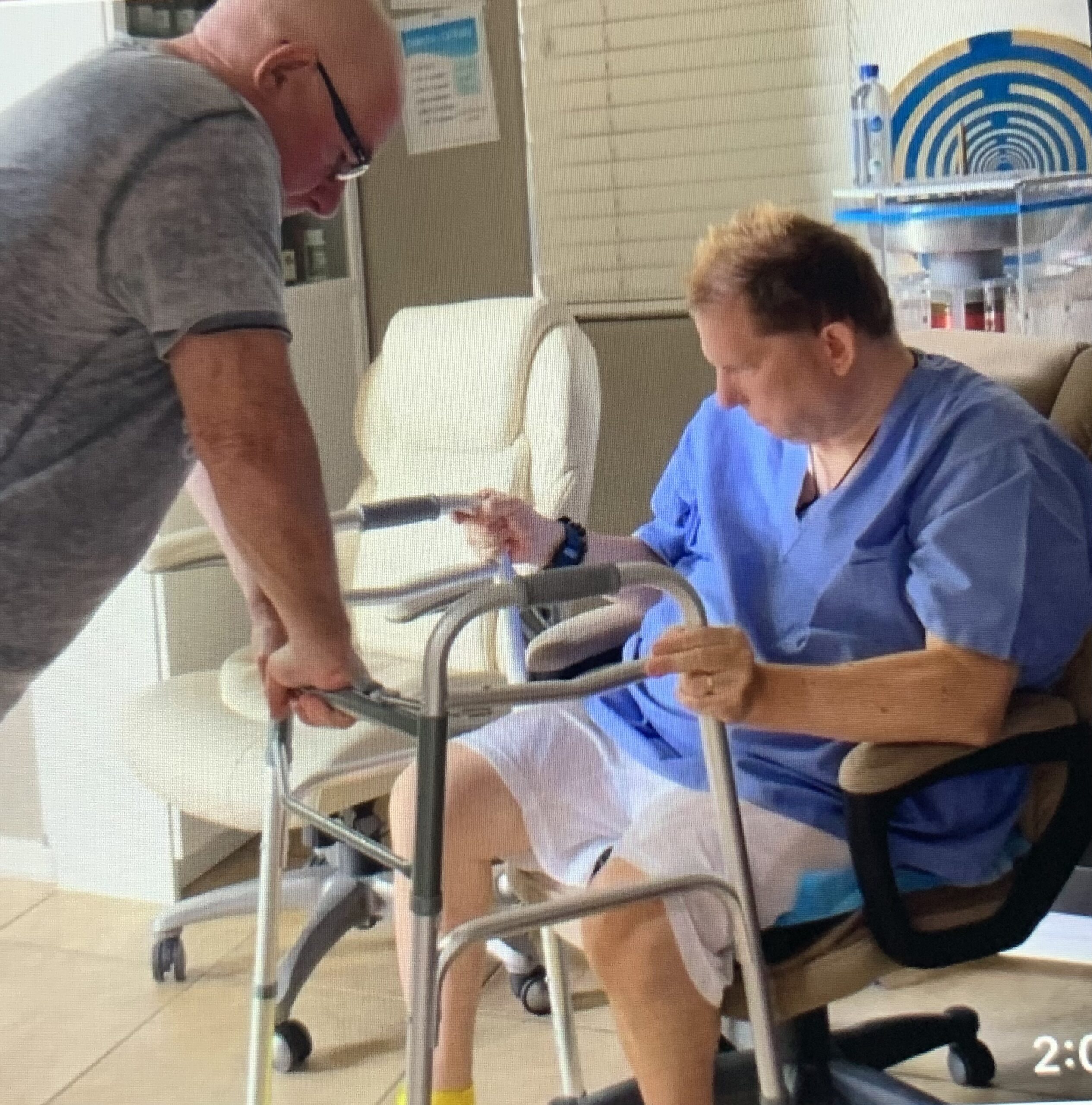
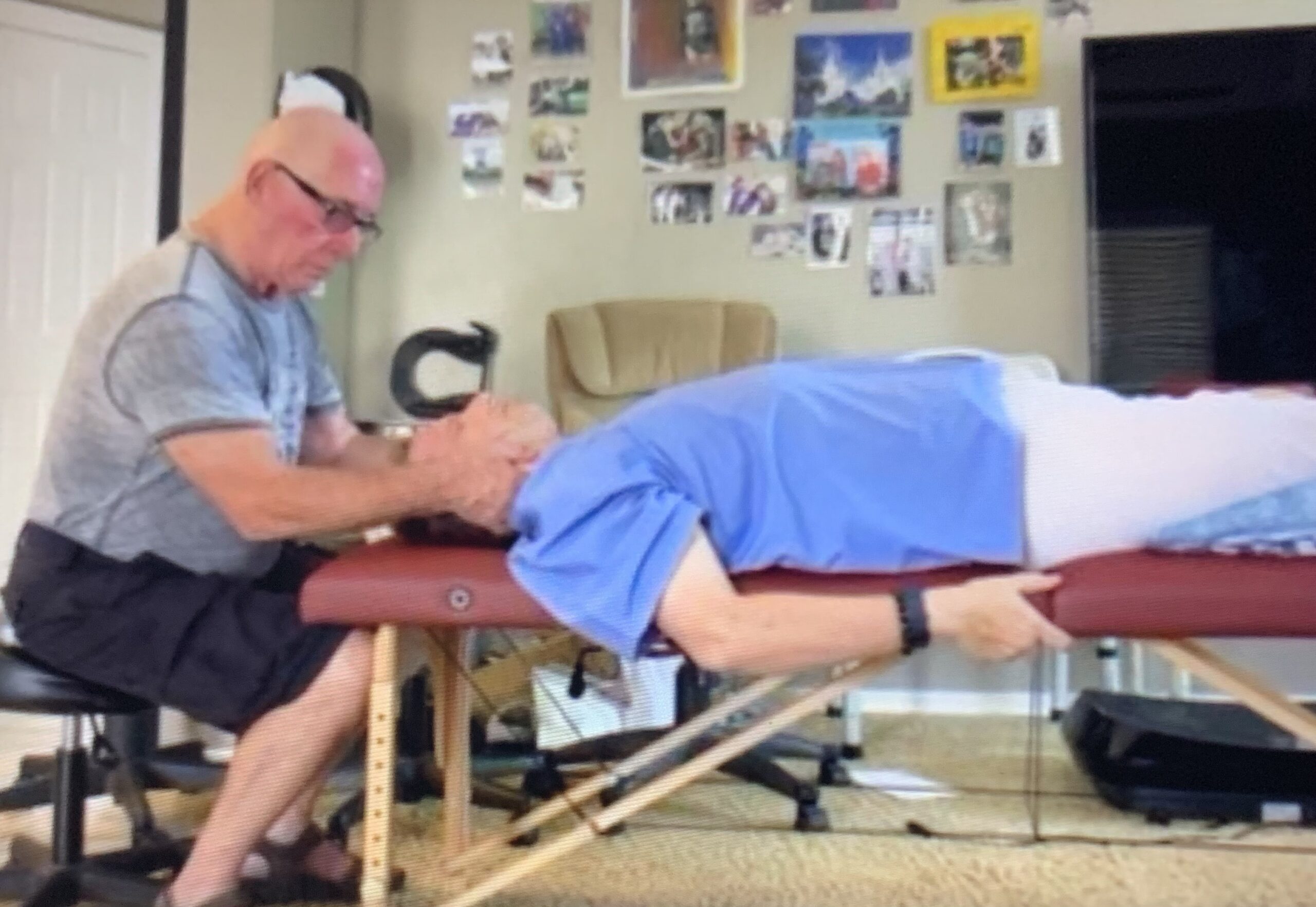
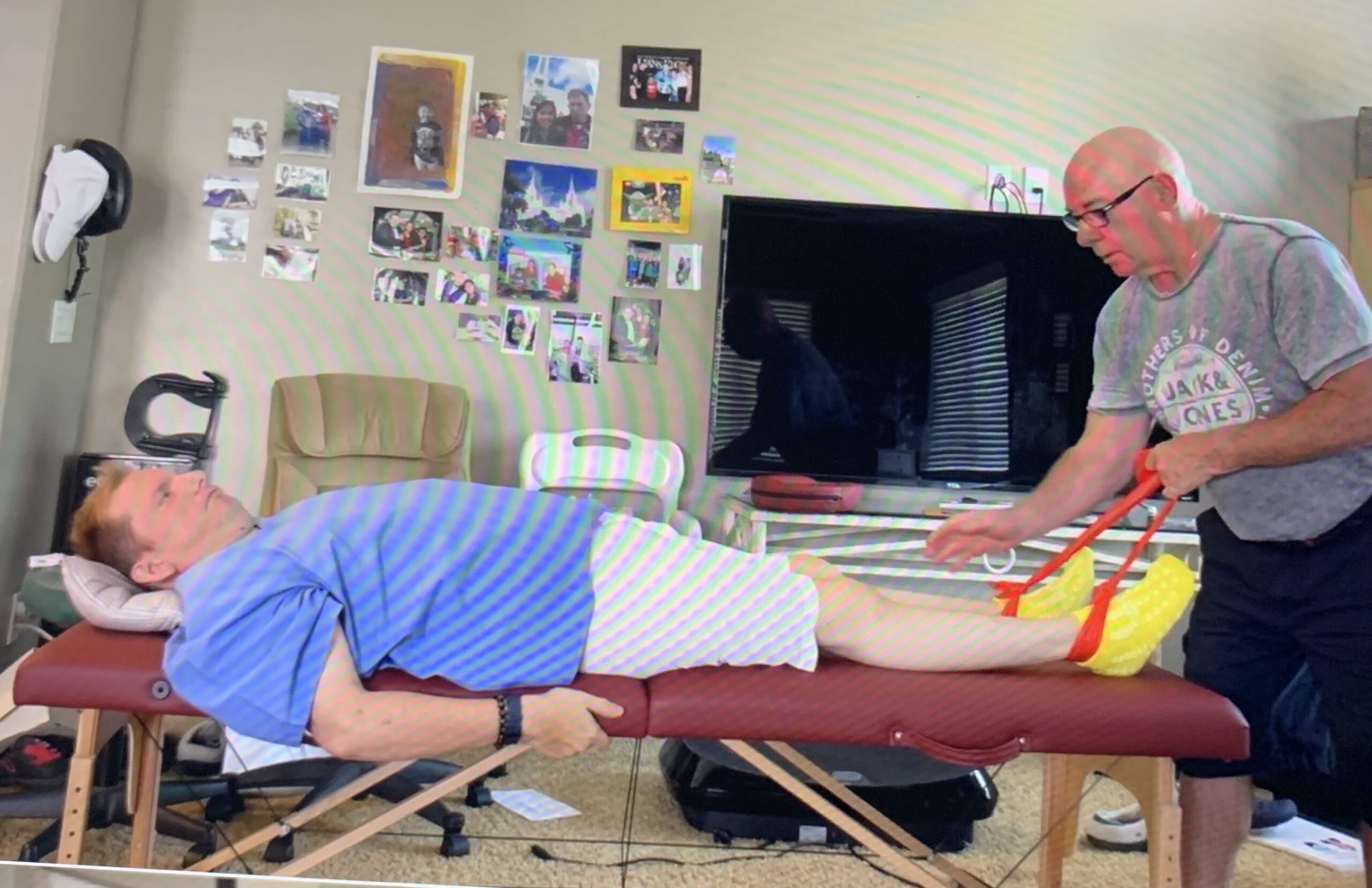
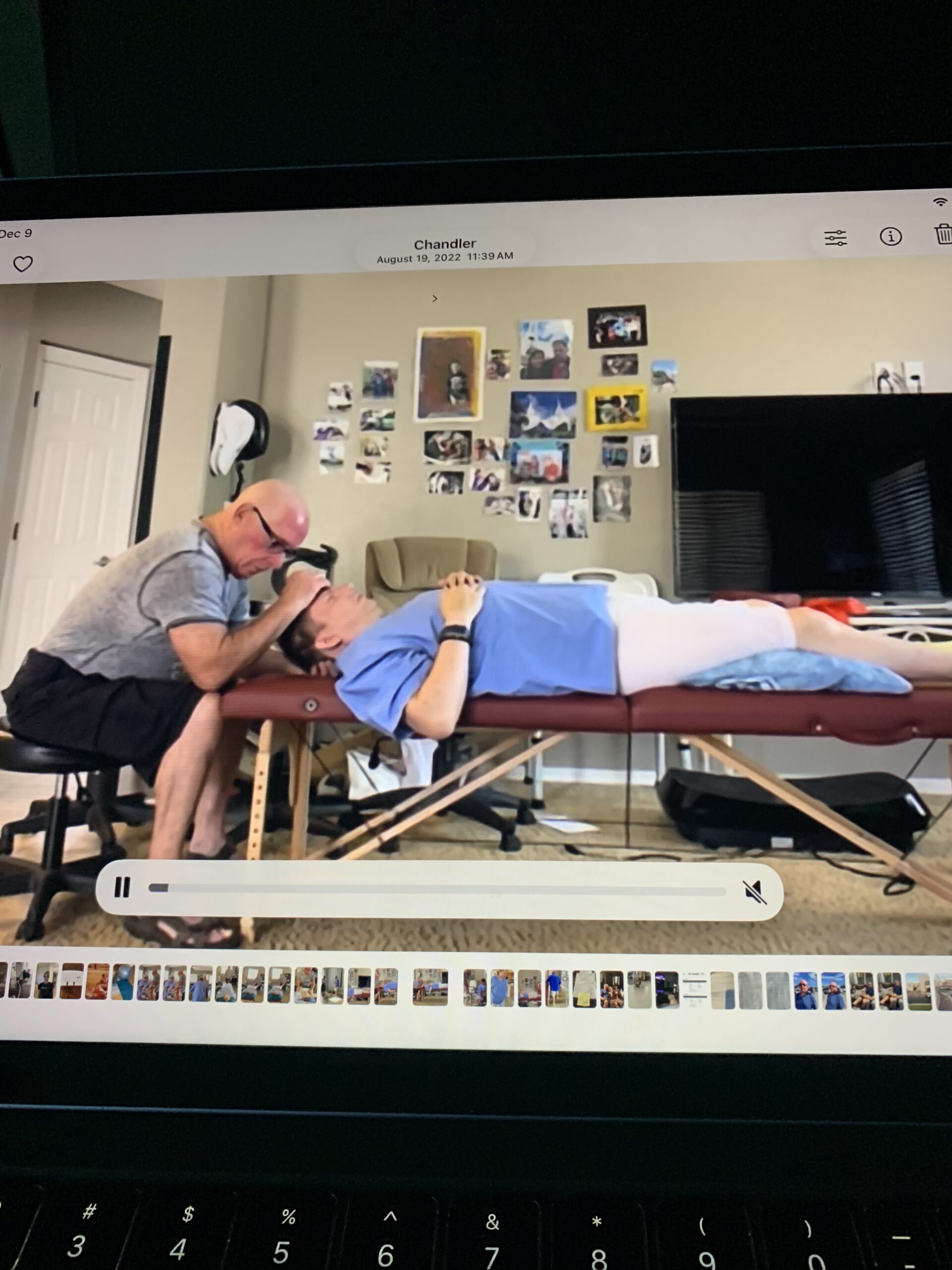
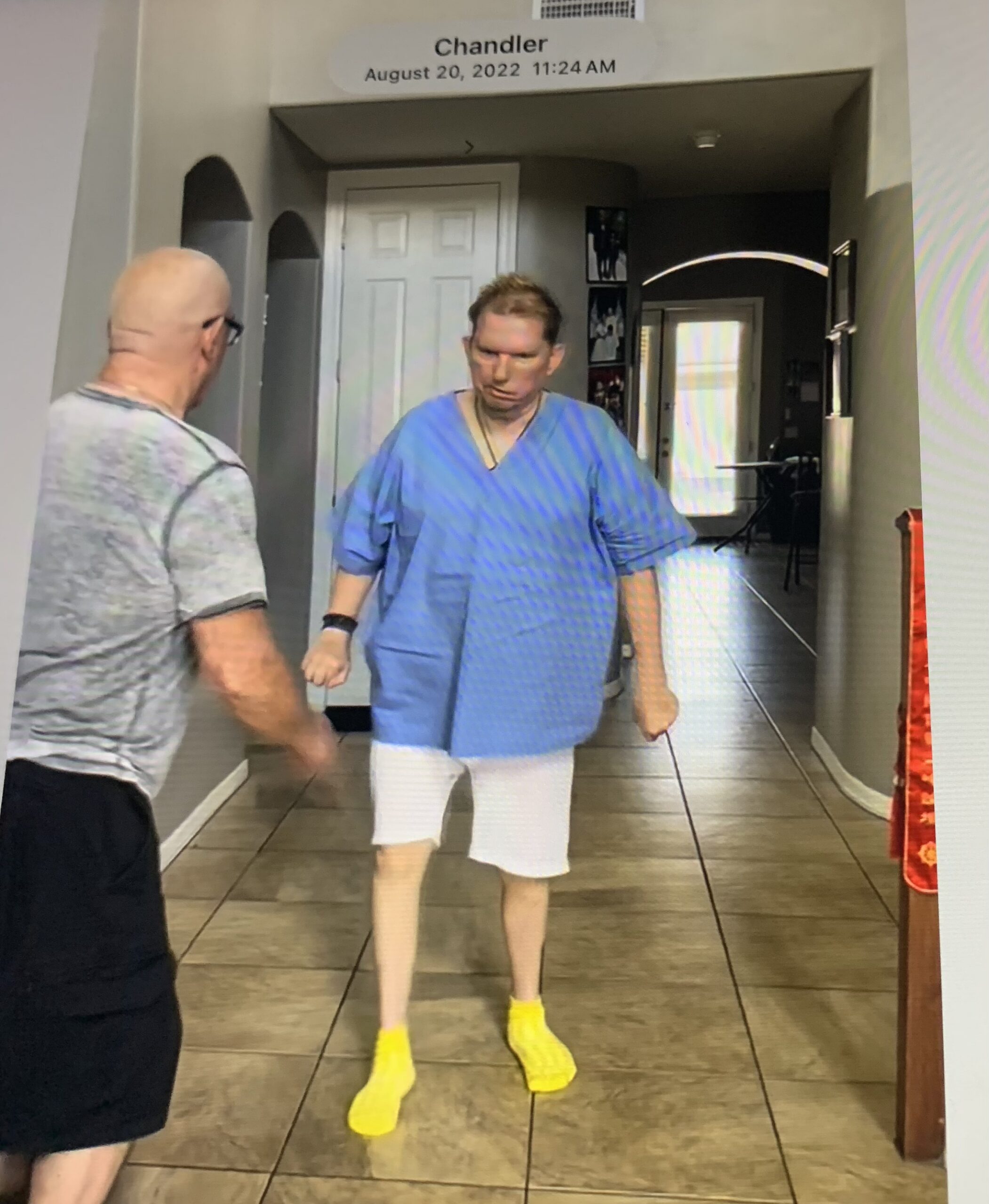
Caption: Dr. Shawn Centers during the recovery period following his August 2022 stroke.
CLINICAL SIGNIFICANCE
This case became an important clinical observation in the development of the Brainis Method™ because of the functional progression observed during the recovery period.
However, a single case cannot establish that the Brainis Method™ caused the neurological recovery. Stroke recovery is complex and may involve spontaneous neurological recovery, medical treatment, rehabilitation and numerous individual factors.
The case therefore documents functional progression observed during a period in which the Brainis Method™ formed part of the patient's supportive care.
CLINICAL CASE 2 - SH. W.: RESPIRATORY PRESENTATION
Sh. W. presented with significant respiratory difficulty. The clinical approach was individualized according to the patient's presentation and response, incorporating hands-on treatment and selected complementary techniques.
BEFORE TREATMENT
|
|
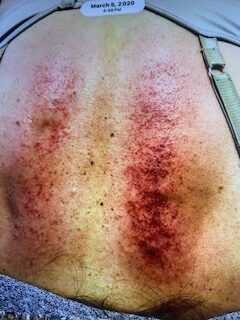
Caption: Clinical presentation before treatment.
AFTER TREATMENT / FOLLOW-UP
|
|
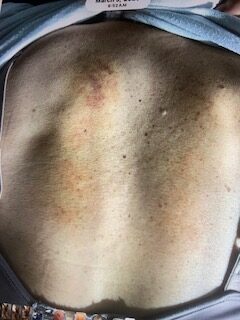
Caption: Follow-up presentation approximately five days later.
OBSERVED RESPONSE
A substantial change in the patient's presentation was observed during the follow-up period.
OBSERVE THE ENTIRE PATIENT - NOT ONLY THE SYMPTOM.
This individual case documents a clinical observation. It does not establish that the Brainis Method™ alone caused the patient's recovery, and supportive manual or complementary treatment should never replace necessary medical or emergency respiratory care.
CLINICAL CASE 3 - C. T.: MUSCULOSKELETAL DYSFUNCTION
C. T., a 31-year-old woman, presented with musculoskeletal pain involving the sacroiliac region. An individualized integrative approach was used and symptomatic improvement was observed.
At a later stage, following PRP treatment, she experienced pain involving the tendon/gluteus medius and greater-trochanter region. The clinical presentation was reassessed rather than automatically repeating the previous intervention.
BRAINIS METHOD™ APPROACH
Based upon the new presentation, silicone cupping was selected as a local therapeutic intervention.
OBSERVED RESPONSE
An immediate improvement in symptoms was observed following the intervention. The patient was subsequently reassessed.
CLINICAL SIGNIFICANCE
- Observation
- Individualized treatment
- Selection of an appropriate modality
- Immediate reassessment
- Adaptation according to the patient's response
The observed improvement represents an individual clinical outcome and does not establish that identical treatment will produce the same result in another patient.
CLINICAL CASE 4 - OSCAR: PATELLAR FRACTURE AND FUNCTIONAL RECOVERY
Oscar sustained a patellar fracture of the left hind leg and was evaluated at an animal hospital. Initially, Oscar could not normally step on the affected leg.
Following the veterinary assessment, Prof. Brainis began providing regular supportive hands-on treatment and continued caring for Oscar over time.
An important observation was Oscar's behaviour during this process. Oscar appeared comfortable during treatment and willingly returned for subsequent sessions.
BEFORE
Oscar could not normally step on the affected leg.
AFTER THE COURSE OF SUPPORTIVE CARE
Oscar returned to walking and running normally.
PHOTOGRAPHIC DOCUMENTATION - OSCAR
|
|
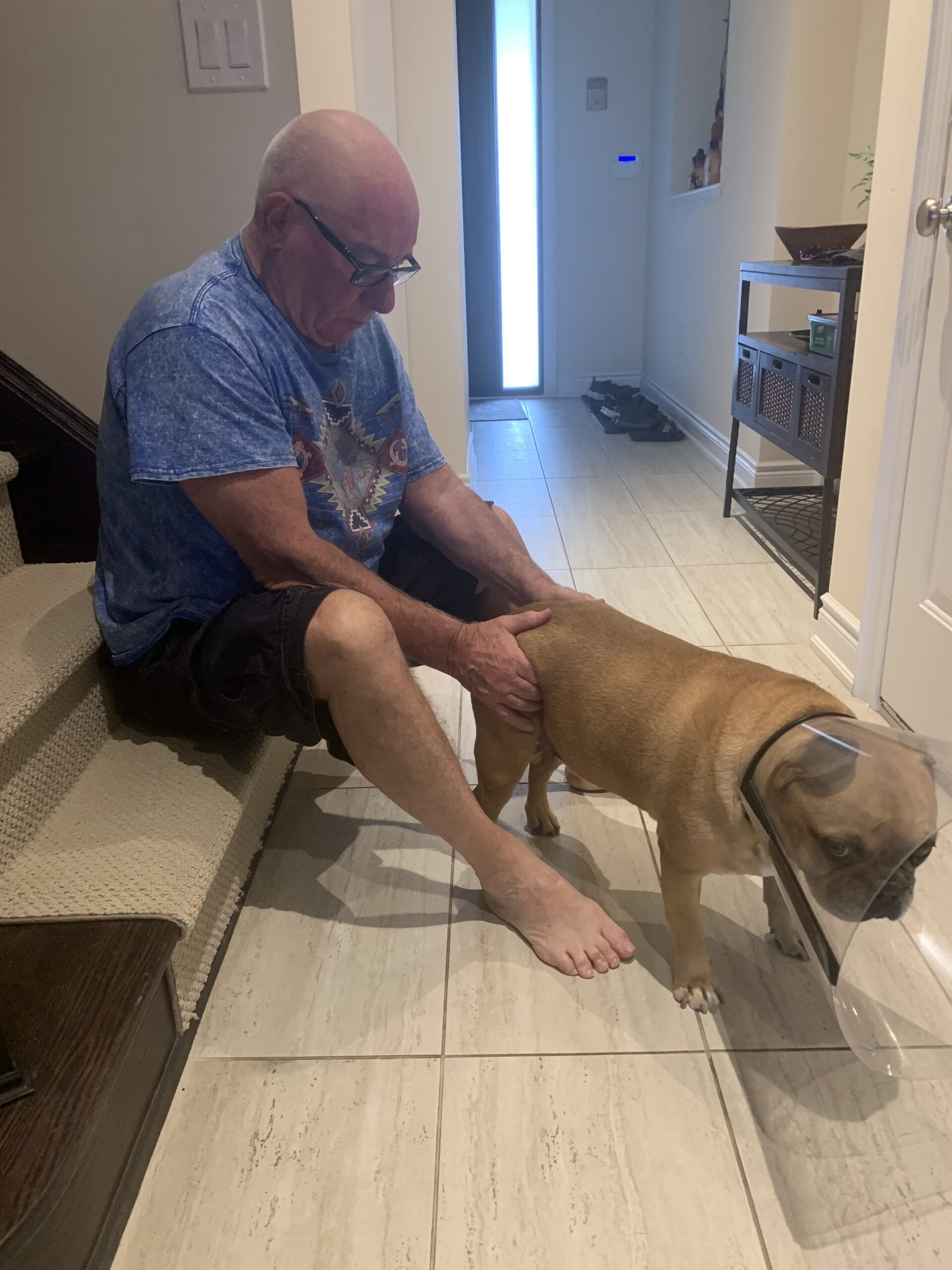
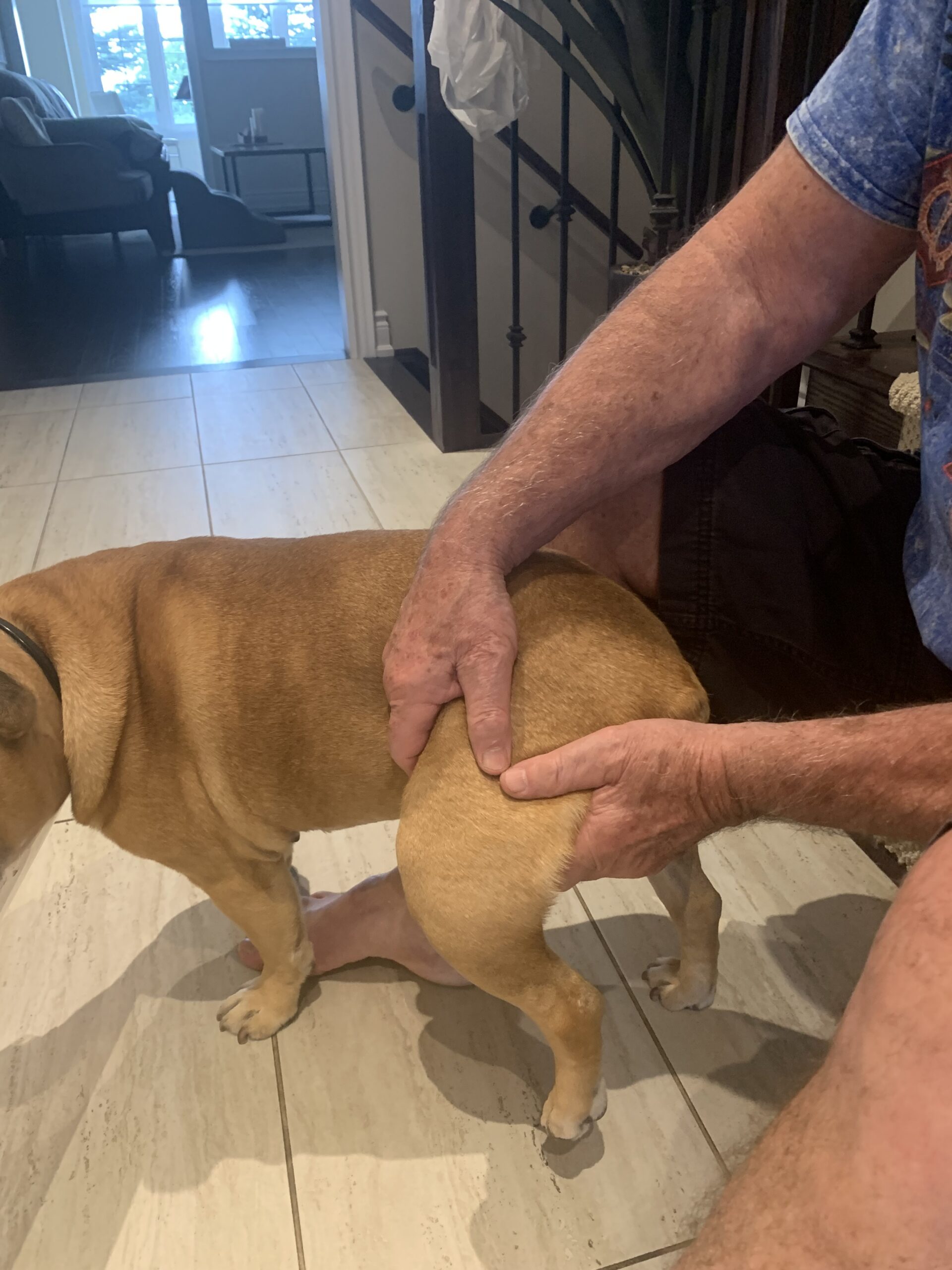
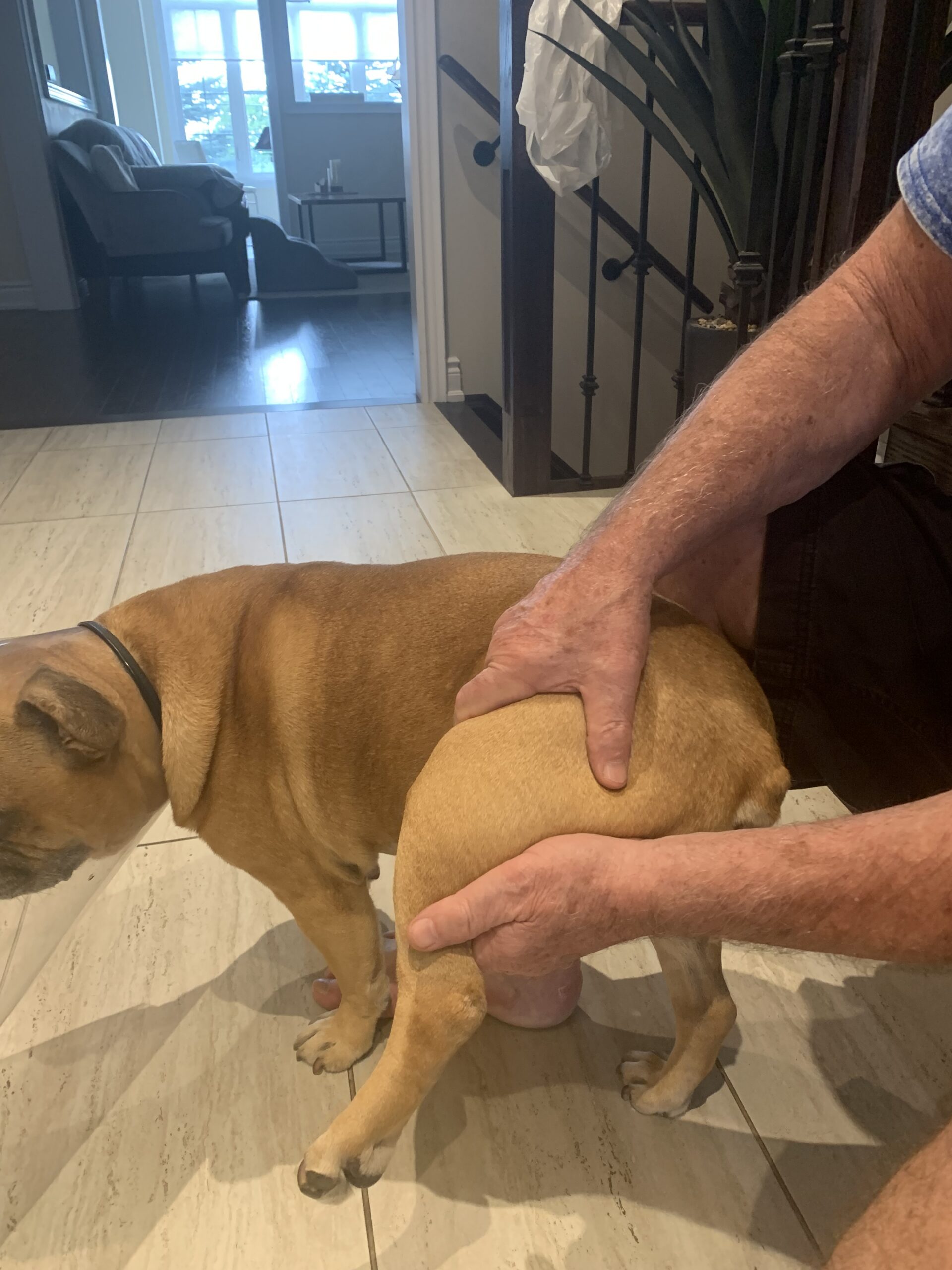
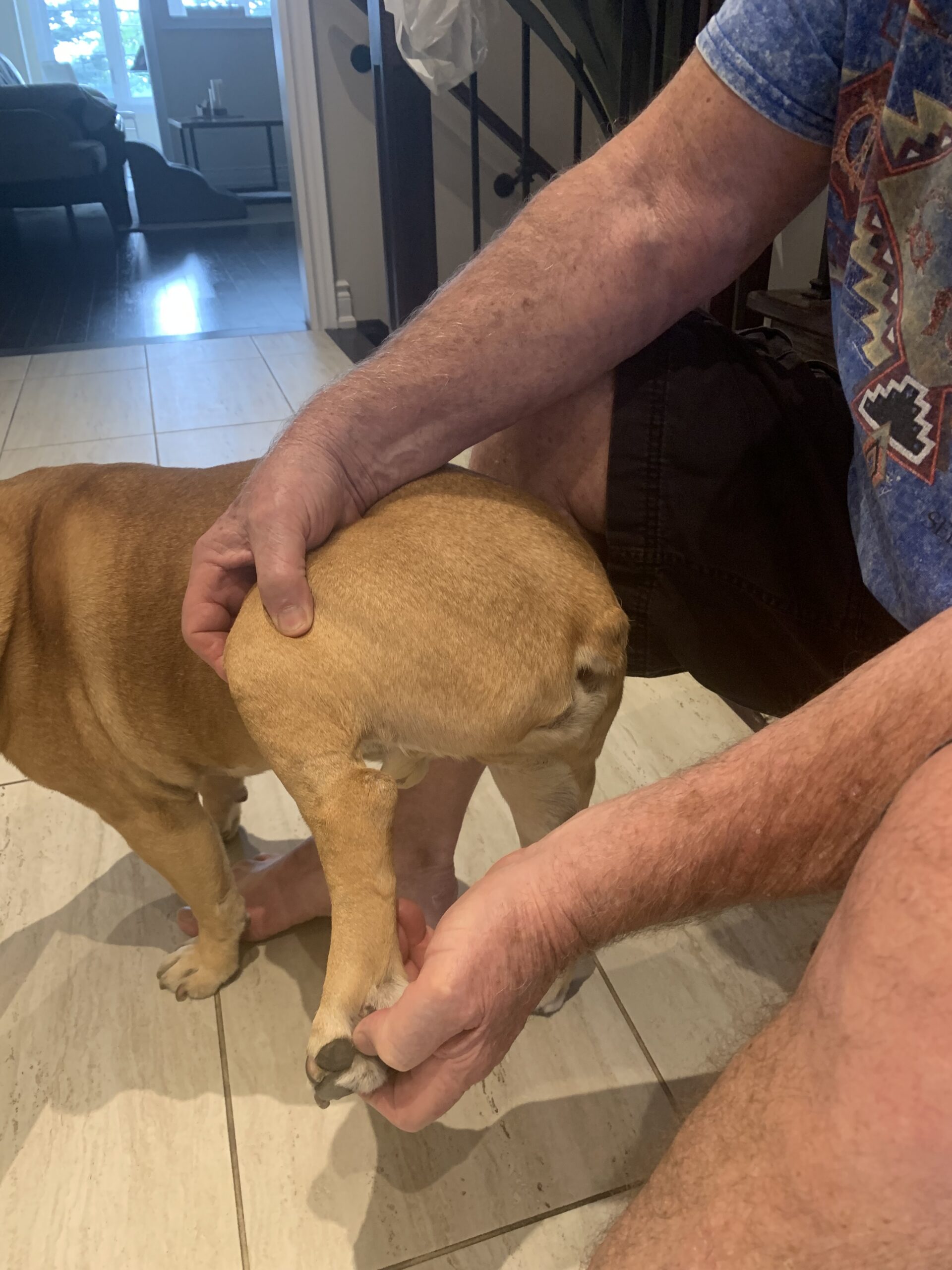
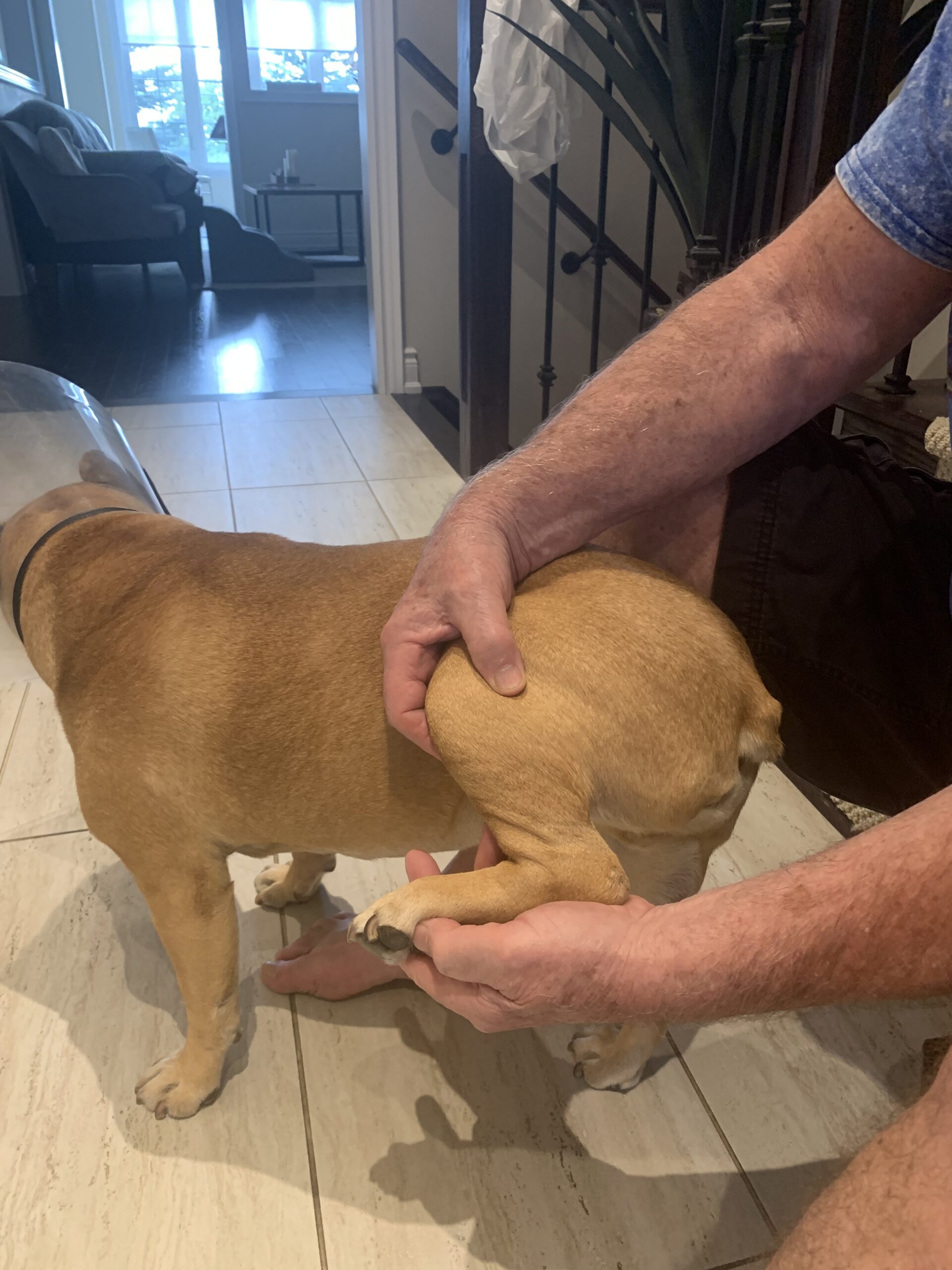
Caption: Oscar receiving gentle supportive hands-on treatment following veterinary assessment of his patellar fracture.
CLINICAL SIGNIFICANCE
Oscar's case documents an important functional observation: he progressed from substantial difficulty using the affected leg to walking and running normally.
The case does not establish that manual treatment caused the fracture itself to heal. Bone healing is a biological process, and fractures require appropriate veterinary assessment and management.
The documented observation is the change in Oscar's functional ability during the period of supportive care.
Oscar's story also represents something fundamental to the Brainis Method™: Prof. Brainis approached Oscar with the same patience, attention, gentleness and respect given to human patients. Oscar was observed rather than forced, and treatment was adapted according to his response.
CARE BEGINS WITH RESPECT FOR THE LIVING BEING IN FRONT OF YOU.
FOUR DIFFERENT CASES - ONE CLINICAL PHILOSOPHY
- Dr. Shawn Centers - Neurological recovery following stroke
- Sh. W. - Respiratory presentation
- C. T. - Musculoskeletal dysfunction
- Oscar - Functional recovery following patellar fracture
These cases do not prove that the Brainis Method™ caused each recovery. Rather, they document clinical experiences in which meaningful functional or symptomatic changes were observed during individualized care.
OBSERVE THE INDIVIDUAL.
IDENTIFY THE PRIMARY PROBLEM.
SELECT THE APPROPRIATE INTERVENTION.
REASSESS THE RESPONSE.
ADAPT THE TREATMENT.
TREAT EVERY PATIENT WITH DIGNITY.
THE INTUITIVE AND ENERGETIC COMPONENT
Prof. Brainis also describes an intuitive and energetic dimension to his clinical work, developed through many years of practical experience.
Patients may experience profound relaxation during treatment, and some fall asleep. These experiences form part of Prof. Brainis's clinical observations.
Concepts involving therapeutic energy or intuitive perception should be distinguished from scientifically established physiological mechanisms. They represent practitioner-described aspects of the philosophy and clinical experience of the Brainis Method™ rather than established biomedical mechanisms.
EVIDENCE-INFORMED PRACTICE AND FUTURE RESEARCH
Several individual components incorporated within the Brainis Method™ - including manual therapy, rehabilitation and photobiomodulation - have their own bodies of scientific literature.
The Brainis Method™ as an integrated system, however, requires systematic investigation before specific mechanisms or clinical effects can be scientifically attributed to the Method itself.
CLINICAL OBSERVATION CAN GENERATE A HYPOTHESIS. CONTROLLED RESEARCH IS REQUIRED TO ESTABLISH CAUSATION.
The documented cases presented here therefore represent clinical observations and educational material rather than proof of efficacy.
CLINICAL RESPONSIBILITY
The Brainis Method™ is not intended to replace emergency medicine, medical diagnosis, surgery, veterinary medicine or other necessary conventional healthcare.
Serious or potentially serious conditions require appropriate medical or veterinary evaluation.
The Method should be understood as an individualized integrative approach that may complement appropriate conventional care within the practitioner's professional scope.
EDUCATION AND PROFESSIONAL DEVELOPMENT
The Brainis Method™ has evolved through decades of clinical experience, teaching, continuing education and international collaboration.
- Clinical reasoning
- Hands-on assessment
- Ethical patient care
- Evidence-informed decision making
- Individualized treatment
- Continuous reassessment
- Lifelong professional learning
THE PHILOSOPHY OF THE BRAINIS METHOD™
The Brainis Method™ did not develop from a single technique, instrument or theoretical concept. It developed through decades of treating, observing, learning and teaching.
OBSERVE CAREFULLY.
TREAT THE INDIVIDUAL, NOT MERELY THE DIAGNOSIS.
USE THE MINIMUM APPROPRIATE INTERVENTION.
RESPECT THE BODY'S CAPACITY FOR ADAPTATION AND RECOVERY.
MEASURE PROGRESS THROUGH MEANINGFUL FUNCTIONAL CHANGE.
TREAT EVERY PATIENT WITH DIGNITY.
The objective remains:
TO HELP RESTORE FUNCTION, REDUCE SUFFERING AND SUPPORT THE INDIVIDUAL'S CAPACITY FOR RECOVERY.
ABOUT THE AUTHOR
Prof. Jakov Brainis, M.CIO, BSc(Med), DOMP, R.TCMP
President, Ontario Federation of Osteopathic Professionals (OFOP)
Program
Director, Toronto Academy of Osteopathy (TAO)
The Brainis Method™ reflects the clinical principles, practical experience and educational philosophy developed throughout Prof. Brainis's professional career.
“Every patient teaches us something new. The privilege of a clinician is
to listen carefully enough to learn.”
— Prof. Jakov Brainis
IMPORTANT CLINICAL NOTICE
The cases presented in this document are individual clinical observations and educational case narratives. They do not establish causation, do not constitute guarantees of treatment outcomes, and should not be interpreted as evidence that similar results will occur in other patients. Appropriate medical or veterinary evaluation should be obtained when clinically indicated.
© Toronto Academy of Osteopathy - Brainis Method™